My book, John S. Knight and the Mid-Twentieth Century Newspaper Business, will be released by Louisiana State University Press in Fall 2027. The book examines Knight and his newspapers from roughly 1930 to 1980. Knight created a media empire, first with Knight Newspapers, then Knight-Ridder, as local competition and independent ownership faded and chain operations and public corporations came to dominate the US newspaper industry. Knight made his name and his fortune by building good, well-managed, public service-oriented newspapers. He believed that owners should invest in editorial content and production quality because it was good for business. His papers came to be known and admired for their excellence in news and commentary, and for their commitments to the communities they served. Knight, an owner who was also a journalist, won a Pulitzer Prize for columns opposing the Vietnam War and defending the right to protest. His impact on the industry he loved stretched far beyond his privileged but relatively modest early days in Northeastern Ohio. His estate endowed one of the largest philanthropic organizations supporting journalism and community engagement.
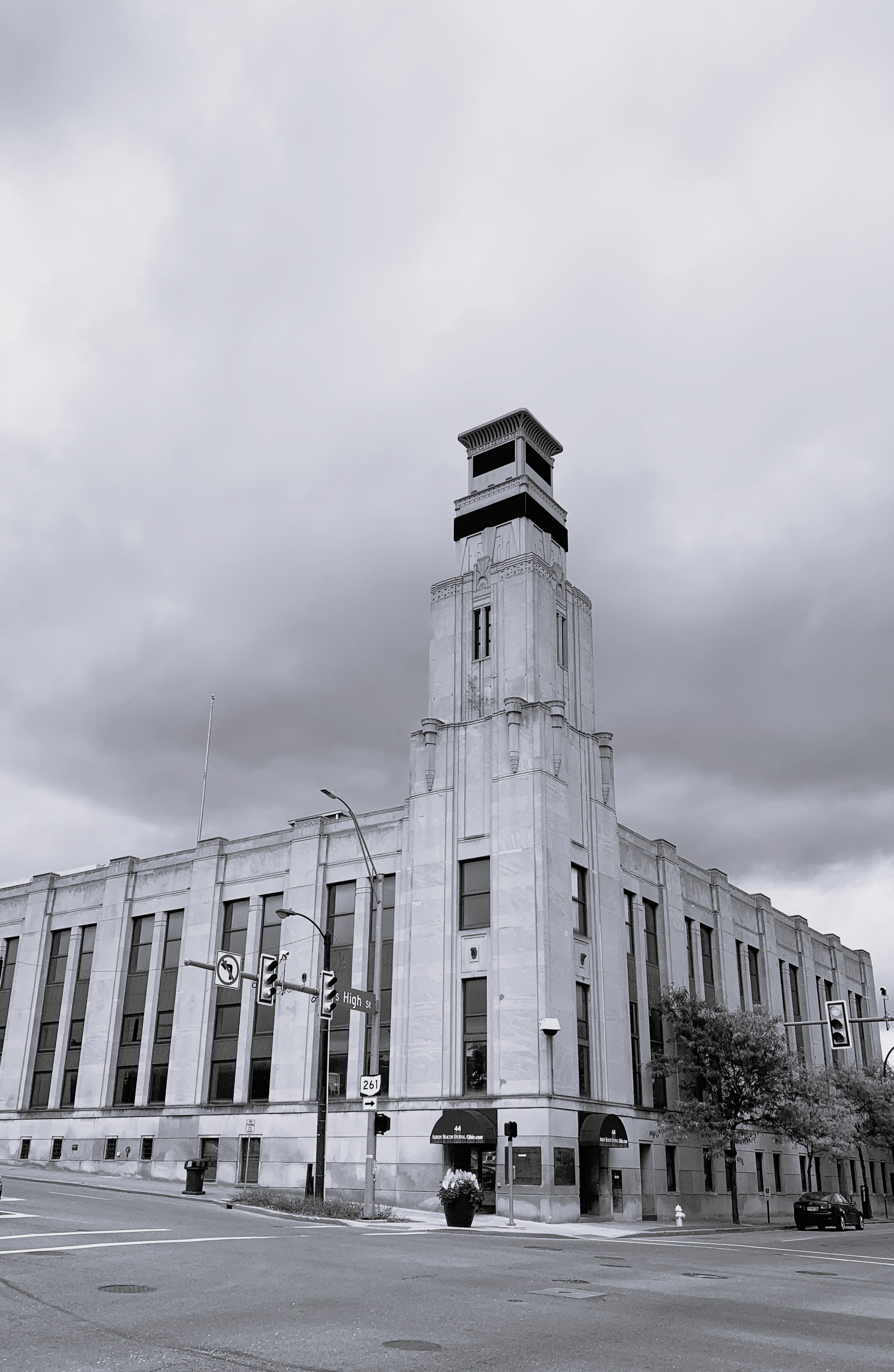
Knight’s career, spanning more than half of the mid-century, coincided with dramatic changes in the newspaper industry. Knight was a prominent and actively engaged figure as the industry morphed from locally owned and sometimes highly partisan daily newspapers in the first quarter of the century to one in which newspapers in the last quarter of the century were owned by large chains and operated with intense focus on earnings and stock value. In addition to chronicling the life of one of the twentieth century’s most celebrated and visible publishers, John S. Knight and the Mid-Twentieth Century Newspaper Business also is an examination of how and why the daily newspaper industry evolved as it did during the mid-century, and how those developments set a course to the present day. Indeed, by the end of Knight’s life, the industry itself was already marching into the death grip that led to its devastation during the early twenty-first century.
Advance comment
“More than a biography of a newspaper publisher, this book illuminates how John S. Knight’s vision reflected both the aspirations and the challenges of an era when newspapers helped shape public discourse and civic culture. Philip Glende provides new insights into the enduring questions surrounding journalism’s responsibility to the communities it serves at a time of profound change.”
– Margot Susca, associate professor of journalism, accountability and democracy, American University, and author of Hedged: How Private Equity Funds Helped Destroy American Newspapers and Undermine Democracy.
“In this ambitious and expansive study of John S. Knight and his American publishing empire in the mid-to-late 20th century, media historian Philip Glende paints a complex and nuanced picture of not only Knight’s business enterprises, but of Knight as a public figure and the messy business of journalism during the era. Understanding the economic evolution of the American news media will help scholars understand its present and future better. As journalism continues its fight to survive, this kind of holistic history is vital for practitioners and researchers alike.”
– Will Mari, associate professor, department of communication and journalism, Texas A&M University, and author of The American Newsroom: A History, 1920-1960.
“Philip M. Glende masterfully chronicles the career of one of the 20th Century’s most prominent newspaper owners while exploring the multiple factors that led to the industry’s decline. More than a biography of John S. Knight — one of the last of a once-common breed of community-centered newspaper publishers — this book documents the decline of the local journalism he represented.”
– David R. Davies, professor of journalism, University of Southern Mississippi, and author of The Postwar Decline of American Newspapers, 1945-1965.
“Philip Glende gives a richly textured portrait of the twentieth-century American newspaper business through the life of press baron John S. Knight, who built an empire of papers that shaped communities across the country. With clarity and authority, Glende reveals how the profit motive hollowed out the independent press—an industry, in the end, undone by its own success.”
– Kathryn J. McGarr, associate professor, School of Journalism and Mass Communication, University of Wisconsin-Madison, and author of City of Newsmen: Public Lies and Professional Secrets in Cold War Washington.

